
Many people assume that because moissanite is “lab-grown,” it should cost pennies like glass or Cubic Zirconia. It shouldn’t. Growing gem-quality Silicon Carbide is a scientific nightmare. Unlike CZ, which can be mass-produced in days, a single moissanite crystal takes 2 to 3 months to grow in a high-pressure reactor.
The real reason for the price tag is the Failure Rate. Most crystals come out yellow, green, or fractured. When you pay $600 for a stone, you are covering the cost of the 80% of crystals that failed to meet the “Colorless” standard. You are paying for the technology that turns a naturally yellow mineral into a white gemstone that lasts forever.
Mehedi’s Value Verdict: What Are You Actually Buying?Don’t look at the price tag; look at the lifespan.
- Cubic Zirconia ($20): Disposable. Hardness 8.0. It absorbs oil, scratches easily, and turns cloudy in 6 months. It is “Fast Fashion” jewelry.
- Moissanite ($500): Lifetime. Hardness 9.25. It is harder than ruby and sapphire. It will sparkle for 50 years just like the day you bought it. You are paying for Longevity.
- Diamond ($5,000): Heritage. Hardness 10. You pay a 10x premium for the “Natural” origin story and resale potential.
Anniversary Sale: Get 35% OFF Sitewide on the original 9.25 Mohs Moissanite from the industry pioneers at Charles & Colvard .
Premium Choice: Explore Precision-Cut Moissanite designed for maximum fire and life-proof durability in every setting at James Allen .
Think You’re A Moissanite Pro?
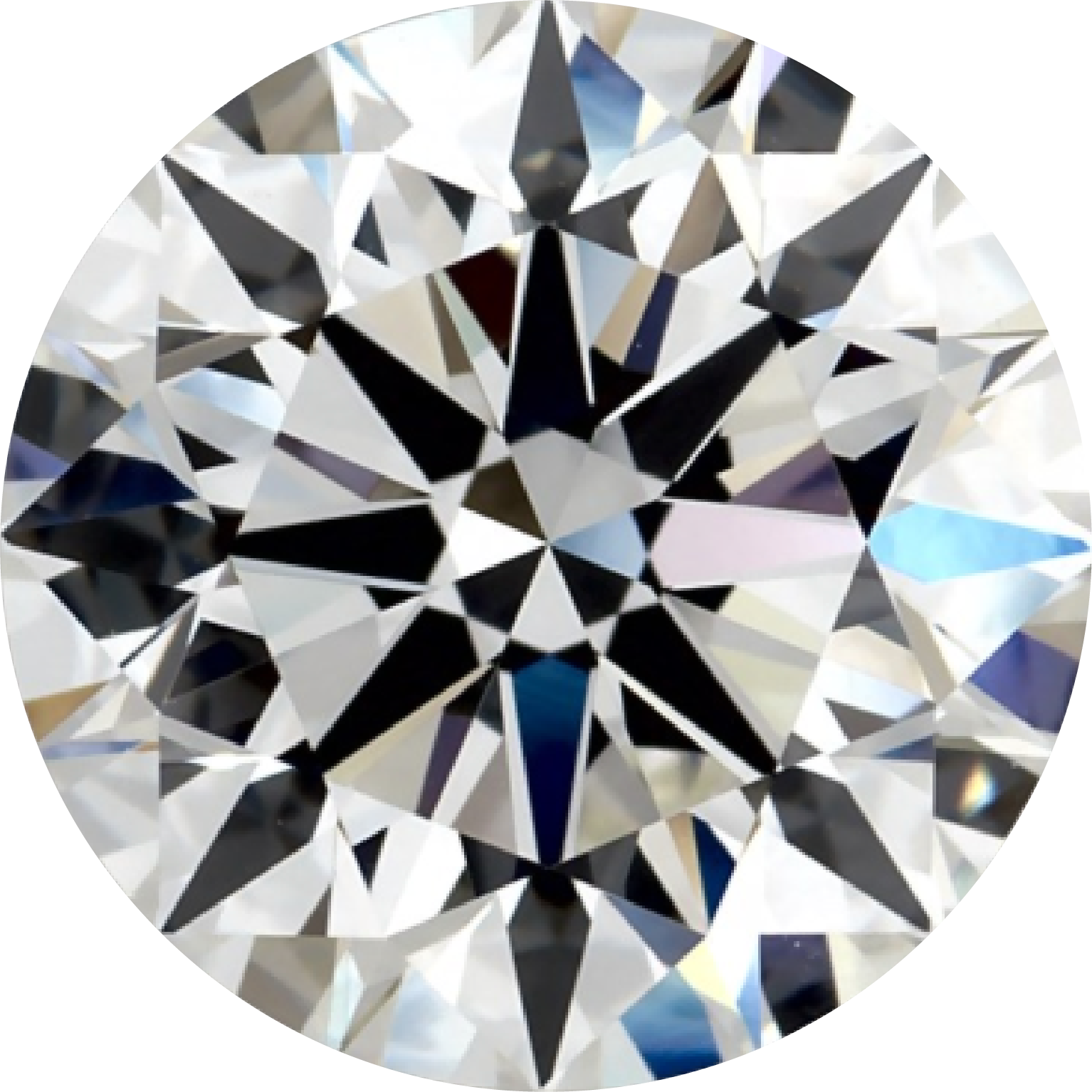
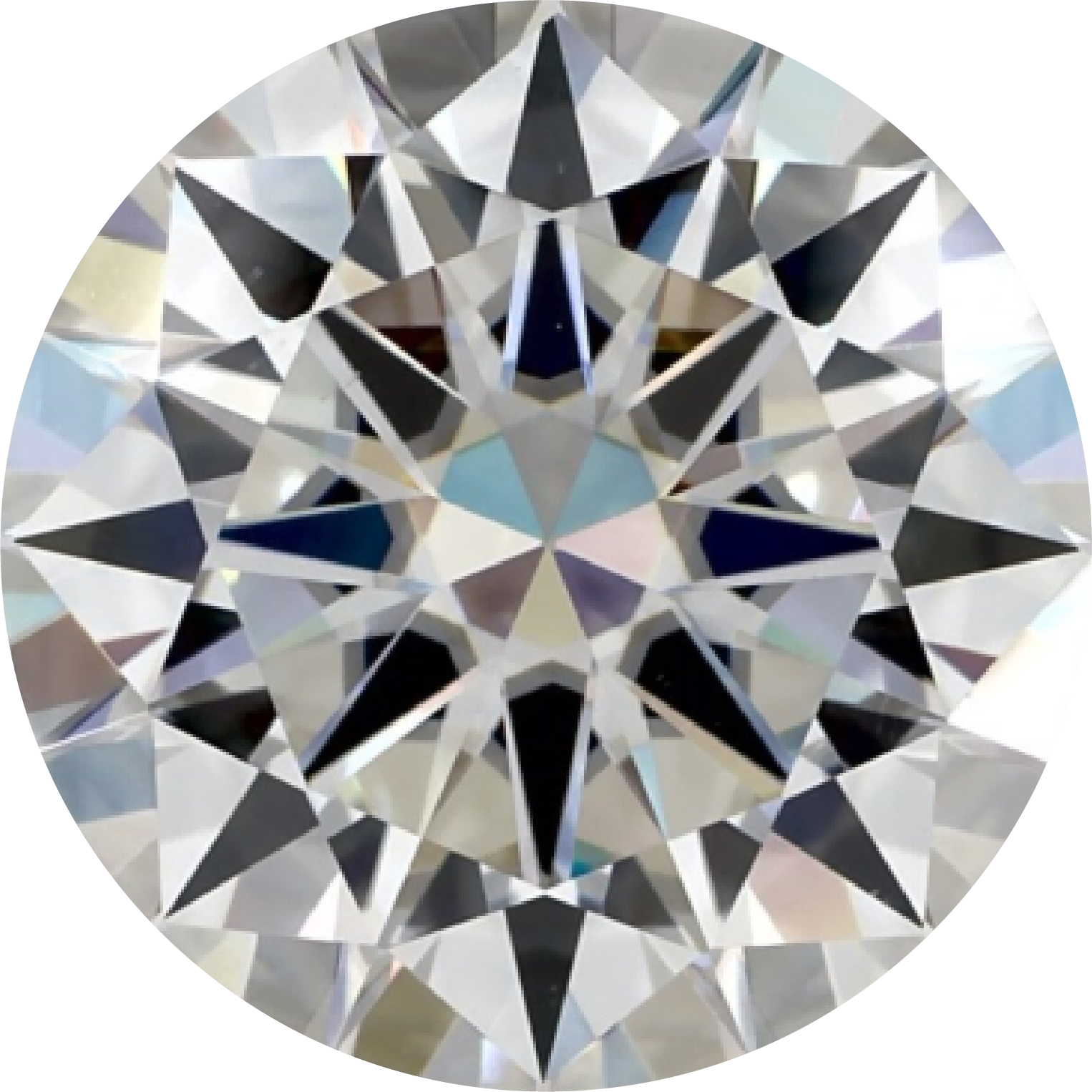
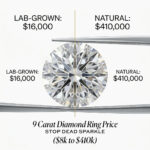
Think you’re a Moissanite Pro and can tell the difference? Choose the gemstone that you like better. Is it the one for $1,180 or the one for $39,000? Both are 2.48 carats.
The Science of Scarcity: It’s Not “Printed” Like Plastic
Let’s kill the biggest myth right now: Moissanite is not “mass-produced” like Cubic Zirconia.
Cubic Zirconia is made by melting powder in a pot. It is cheap, fast, and easy.
Moissanite (Silicon Carbide) is grown through a torturous process called the Lely Process, and it is a scientific nightmare.
The “Pressure Cooker” Reality
To grow a single gem-quality moissanite crystal, scientists have to recreate the environment of a meteorite impact.
- The Heat: It requires temperatures exceeding 2,500°C (4,532°F).
- The Time: It takes 2 to 3 months to grow a single “boule” (rough crystal) large enough to cut.
- The Tech: You cannot just melt silicon and carbon. You have to vaporize them (sublimation) and force them to bind together atom by atom in a vacuum.
If the temperature fluctuates by a fraction of a degree, or the pressure drops for a second, the entire batch is ruined. This isn’t a factory assembly line; it is high-stakes chemistry.
The “Failure Rate” Tax
So, why does the final stone cost $600 instead of $50?
Because you are paying for the Failures.
When a batch of moissanite comes out of the reactor, it rarely looks like a diamond.
- 80% of the yield is often brown, green, or heavily included. It is industrial-grade trash (used for sandpaper or semiconductors).
- 15% is “Near Colorless” (G-H-I grade).
- Only 5% is the pristine, “Colorless” (D-E-F) material that ends up in a Best Moissanite Brand engagement ring.
The Financial Reality:
When you buy a premium moissanite, you are covering the cost of the energy, labor, and time spent growing the 95% of crystals that got thrown in the trash. That is the “Scarcity of Tech.”
Compare the Process:
- Cubic Zirconia: Melt powder
→→Cool down→→Done in 4 hours. (Cost: Pennies). - Moissanite: Vaporize gas
→→Bind atoms→→Wait 3 months→→Reject 80%. (Cost: Hundreds).
If you want to see how this complex production process translates to the final look compared to other lab stones, check our visual guide on Moissanite vs Lab Diamond Side by Side.
The “Colorless” Premium: Why White Costs More (4H vs. 6H)
Here is the chemical reality that dictates the price: Silicon Carbide naturally wants to be yellow or green.
When scientists first began growing moissanite in the 90s, they couldn’t get the color out. The stones looked like “fancy yellow” diamonds or had a strange, swampy green tint in sunlight. Today, you can buy a perfectly colorless stone that mimics a D-Color diamond.
The price difference between a $50 stone and a $600 stone is often the difference between Old Tech (6H) and New Tech (4H).
The Crystal Structure War: 6H vs. 4H
Silicon Carbide is polymorphic, meaning it can grow in different crystal structures (polytypes).
- 6H (The “Classic” Cheap Stone): This was the standard for years. It is easier to grow, but it has strong yellow/green undertones. If you buy a cheap stone on eBay today, it is likely 6H material.
- 4H (The “Premium” White Stone): This is the modern standard (used by Charles & Colvard for “Forever One”). It is structurally whiter and brighter. However, growing stable 4H crystals is significantly more difficult and energy-intensive.
The “Bleaching” Cost
You aren’t just paying for the growth; you are paying for the Purification.
To create a “Colorless” (D-E-F) moissanite, manufacturers have to use high-purity source powder and proprietary whitening processes to strip out the nitrogen that causes the yellow tint.
The Sunlight Test
Why does this matter? Because of how the stone handles natural light.
- Cheap (6H): Inside a jewelry store, it looks white. Step outside into overcast daylight, and it turns a moody gray or buttery yellow.
- Expensive (4H): It stays icy white in all lighting conditions, exactly like a high-quality diamond.
Mehedi’s Buying Strategy:
If you want the diamond look, you must pay for the 4H “Colorless” premium. If you buy the cheap stuff, you will spot the yellow tint the moment you walk outside. To see exactly how these grades compare side-by-side, look at our Moissanite Color Chart.
If you are curious how this color difference plays out when the stone is actually flashing (fire vs brilliance), check our guide on Diamond vs Moissanite in Sunlight.
Moissanite vs. Cubic Zirconia: Why You Pay 10x More
This is the most common objection I hear: “Why should I pay $600 for a lab-grown moissanite when I can get a lab-grown Cubic Zirconia (CZ) for $10? They look the same!”
The Truth: They look the same for about two weeks.
The price difference isn’t about how they look in the store; it’s about how they look two years from now. You are paying for the physics of Longevity.
The Hardness Gap (The “Cloudy” Factor)
The Mohs Scale of Hardness is the only metric that matters for daily wear.
- Diamond: 10 (Indestructible).
- Moissanite: 9.25 (Extremely Hard).
- Cubic Zirconia: 8.0 – 8.5 (Soft).
- Glass/Dust: 7.0.
Why CZ Fails:
Because CZ is an 8, it is softer than the quartz dust floating in the air. Every time you wipe your CZ ring with a shirt, you are micro-scratching the surface. Over 6 months, these thousands of scratches turn the stone cloudy and dull. It looks like a piece of plastic. You have to replace it every year.
Why Moissanite Lasts:
At 9.25, moissanite is harder than rubies, sapphires, and emeralds. It is virtually unscratchable in daily life. A moissanite ring you buy today will have the exact same crisp, fiery sparkle in 2075 as it does in 2025.
The “Oil Slick” Magnet
Cubic Zirconia is porous and loves oil. It sucks up lotion, hairspray, and skin oils, turning it yellow and dull almost instantly.
Moissanite is much more resistant. While it can develop a surface “oil slick” (which is easily cleaned), the internal crystal remains pristine forever.
Mehedi’s Investment Verdict:
- Buy CZ ($20): If you need a ring for a single photoshoot or a weekend trip. It is “Disposable Jewelry.”
- Buy Moissanite ($600): If you want a ring you can wear every single day for the rest of your life without it losing its shine.
You pay 10x more for Moissanite because you are buying a Lifetime Asset, not a disposable accessory. For a deeper dive into distinguishing these two stones visually, check our guide on Simulated Diamond vs Moissanite.
The “Forever One” Legacy: Patents, Monopolies & The Brand Tax
If you looked at moissanite prices in 2014, they were high—almost universally. If you look today, they are all over the map.
Why? The Patent Wall fell.
For 20 years, one company—Charles & Colvard—held the global patent on creating gem-quality silicon carbide. They had a monopoly. They set the price high to position moissanite as a luxury item, not a cheap substitute.
In 2015, that patent expired. Overnight, factories in China and India began producing their own silicon carbide. The market flooded with “Generic” moissanite, crashing the wholesale price.
So, why is C&C still expensive?
You are paying for the Legacy of Quality Control.
- Generic Brands: They sell everything that comes out of the reactor. You might get a gem, you might get a dud.
- Legacy Brands (C&C / James Allen): They maintain the strict standards set during the monopoly era. They throw away the “good enough” stones and only sell the “perfect” ones.
Anniversary Sale: Get 35% OFF Sitewide on the original 9.25 Mohs Moissanite from the industry pioneers at Charles & Colvard .
Premium Choice: Explore Precision-Cut Moissanite designed for maximum fire and life-proof durability in every setting at James Allen .
The “Brand Premium” Audit (2026 Market Data)
Is the name on the box worth the extra $400?
| Feature | Generic / Overseas (The “Wild West”) | Legacy Brand (James Allen / C&C) | The 2026 Impact |
|---|---|---|---|
| Material Source | Unverified Factories | Verified Single-Source Labs | Zero risk of “Oil Slick” film or hazy textures. |
| Color Grading | Noticeable G/H Tints | Guaranteed D-E-F (Colorless) | Pure “Ice-White” look that mirrors an E-Color Diamond. |
| Cut Precision | Manual Machine Cut | Hearts & Arrows (Robotic) | Eliminates the “Disco Ball” effect; results in a Crisp Sparkle. |
| Warranty | None / Non-Existent | Limited Lifetime Coverage | Safety net if the stone ever clouds or loses its brilliance. |
| Rejection Rate | Low (Accepting most stones) | High (Rejecting ~80% of yield) | Extreme Quality Assurance for your investment. |
| Price (1.0ct) | $20 – $80 | $400 – $600 | A 10x price difference for a stone that passes the Diamond Test. |
| Buyer’s Verdict: While generic stones are fine for a travel ring, you should never buy a non-curated stone for an engagement ring. For the highest quality, see our Moissanite Pricing Analysis or browse James Allen’s Premium Inventory. | |||
Mehedi’s Insight:
The high price of premium moissanite isn’t just “profit.” It is the cost of running a US-based company with a warranty department, a return policy, and a strict rejection threshold. If you buy a generic stone and it cracks, you are out of luck. If you buy a premium stone, you have a phone number to call.
For a detailed breakdown of which brands actually deliver value for that premium price (and which ones are just marketing), check our rankings in the Best Moissanite Brand guide.
Is It Valuable? The Difference Between “Asset” and “Accessory”
This is the hardest pill for buyers to swallow, but I’m going to be blunt: Moissanite is a consumer good, not a financial asset.
When you ask, “Is moissanite expensive?” you are asking about the purchase price. When you ask, “Is moissanite valuable?” you are asking about the resale price.
The answer to the second question is No.
Intrinsic Value (Utility) vs. Market Value (Resale)
Moissanite has incredible Intrinsic Value. It is harder than sapphire, sparklier than diamond, and lasts forever. It performs its job (being a beautiful rock) perfectly.
However, it has near-zero Market Value once it leaves the store.
- Why? Scarcity.
- Natural Diamonds: Finite supply. Hard to find. Retains ~40-50% value.
- Moissanite: Infinite supply. We can always grow more in a lab. Retains ~0-10% value.
The “Asset Class” Comparison Table
Think of Moissanite like a high-end TV, not a stock portfolio.
| Item | Purchase Price | Year 1 Value | Year 10 Value | 2026 Asset Status |
|---|---|---|---|---|
| 14k Gold Band | $400 | $150 (Scrap) | $200 – $350+ | Liquid Asset |
| Natural Diamond | $6,000 | $3,000 | $3,500 – $4,200 | Store of Wealth |
| Moissanite | $600 | $50 | $0 | Consumer Good |
| iPhone | $1,000 | $600 | $0 | Consumer Good |
| Market Analysis: With gold prices reaching historic peaks in early 2026, the intrinsic value of your setting is more important than ever. While Natural Diamonds offer established resale channels, Moissanite should be viewed as a lifestyle purchase. See our Gold Value Guide for more on metal ROI. | ||||
The “Gold Parachute”
If you buy a moissanite ring for $1,000, about $400 of that is likely the Gold Setting. That gold is valuable. It can be melted down and sold anywhere in the world. The stone itself, however, is essentially a “sunk cost”—you pay for the beauty, not the investment potential.
Mehedi’s Investment Verdict:
The “Value” of moissanite is that it saves you $10,000 upfront compared to a diamond.
- Don’t: Buy it expecting to sell it to a pawn shop later (They won’t take it).
- Do: Buy it because you want to keep that $10,000 in your bank account today. The “Return on Investment” is the cash you didn’t spend.
For a deeper look at the financial logic of swapping natural stones for lab-grown alternatives, read our guide on Buying Moissanite Instead of Diamond.
FAQ: Your Moissanite Cost Questions Answered
I analyzed the search data to find the specific questions buyers are asking about the price tag. Here are the unfiltered answers.
Why is moissanite expensive if it is lab-grown?+
It is expensive because it is hard to grow. Unlike Cubic Zirconia which melts in hours, Moissanite requires a specific process called physical vapor transport (PVT). It takes 2-3 months at extreme temperatures (2500°C) to grow a crystal. The failure rate is high; many crystals come out micropipe-riddled or yellow and must be discarded. You are paying for the energy, time, and the 80% of crystals that failed.
Why are moissanite prices increasing in some stores?+
While generic prices have dropped, Premium moissanite prices are rising due to Energy Costs and Cut Precision. Growing silicon carbide is energy-intensive. As global energy prices rise, the cost to run the reactors rises. Additionally, the demand for “Diamond Cut” moissanite (which requires expensive robotic cutting technology) has pushed the price of top-tier stones up. You can track these shifts in our moissanite price chart.
Is moissanite worth more than Cubic Zirconia (CZ)?+
Yes. CZ is a placeholder; Moissanite is a permanent stone. CZ has a hardness of 8-8.5 and is porous, meaning it clouds up within months. Moissanite has a hardness of 9.25 (harder than sapphire). A moissanite bought today will look exactly the same in 50 years. For a technical breakdown, see our simulated diamond vs moissanite comparison.
Why is Charles & Colvard moissanite so expensive?+
You are paying for Legacy and Liability. Charles & Colvard held the original patent for 20 years and developed the grading standards. When you buy “Forever One,” you are paying for their strict Quality Control and their US-based warranty. Check our guide on the best moissanite brand to see how they compare to newer competitors.
Does moissanite have any resale value?+
Very little. Moissanite is a consumer good, not an investment asset. Because it is lab-grown, the supply is theoretically infinite. Pawn shops generally value loose moissanite at $0. You should buy moissanite to wear it, not to flip it. For a reality check on the secondary market, see our article on selling diamond rings at a pawn shop.
Is the “GRA Certificate” worth paying extra for?+
No. The “GRA” is not the GIA. It is a loose network of grading houses used by overseas mass-manufacturers. A GRA card costs pennies to print and is included with almost every cheap moissanite sold online. It does not guarantee value or origin. If you are looking at a GRA moissanite ring, judge the stone with your eyes, not the card.
Is moissanite cheaper than a Lab-Grown Diamond?+
Yes, but the gap is closing. In 2026, a 1-carat Lab Diamond costs roughly $600-$800, while a 1-carat Premium Moissanite is $450-$600. Moissanite is still cheaper, but as lab diamond prices crash, the main reason to choose moissanite is its “Fire” or rainbow sparkle. View the differences in our moissanite vs lab diamond side by side guide.
Why is “Wholesale” moissanite $20 on AliExpress?+
Because it is “Rough Cut” and “Tinted.” Cheap stones often skip the bleaching process, leaving a faint green or grey cast. They are also cut for weight retention rather than light performance, resulting in a bulky look. To see how size and quality intersect, check our weight of moissanite guide.
Does carat weight affect moissanite price like diamonds?+
No. Diamond prices are exponential, but moissanite prices are linear. A 2ct moissanite is roughly double the price of a 1ct moissanite. This makes large stones an incredible bargain. For instance, a 5 carat moissanite ring is significantly more affordable than a natural diamond counterpart.
Do fancy shapes (Oval, Pear) cost more?+
Yes. Fancy shapes require more rough crystal to be wasted during cutting. Additionally, cutting a “Crushed Ice” moissanite requires more skill to prevent a blurry look due to double refraction. If you love these shapes, explore our moissanite pear loose stone buying tips.
Is moissanite considered a “Fake Diamond”?+
Scientifically, no. Moissanite is Silicon Carbide, while Diamond is Carbon. They are two distinct minerals. Moissanite is a real gemstone that occurs in nature (meteorites). However, socially it is often used as a simulant. Learn the key distinctions in our moissanite vs diamond comparison.
Why does my moissanite look yellow?+
You likely have 6H Crystal or a dirty stone. Older moissanite was naturally yellow-green. Modern “Colorless” moissanite is 4H polytype. If a modern stone looks yellow, it is likely an “Oil Slick” of soap scum that can be cleaned. Refer to our moissanite color chart for more info on grading.
Does the setting affect the price more than the stone?+
Often, yes. Because moissanite is so affordable, the 14k or 18k Gold setting often costs more than the gemstone itself. This makes the gold the only “investable” part of the ring. To understand the metal components, see our engagement ring metals pros and cons.
Are “Super Premium” cuts (Star Cut, Antique) worth it?+
Yes, for realism. Standard moissanite has a different facet pattern than diamonds. “Super Premium” cuts like Hearts & Arrows are engineered to mimic diamond light performance. If you want the stone to pass as a diamond, these are worth the extra cost. See our guide on round brilliant cut patterns for more on facet alignment.
Can I insure a moissanite ring?+
Yes. You can and should insure it for the Retail Replacement Value. It protects you against theft or loss, which is valuable even if the stone itself is affordable. Before getting an insurance quote, read our definition of appraisal for diamond rings to understand the process.
Mehedi’s Final Verdict: The 2026 Price Strategy
Don’t be fooled by high price tags or “70% Off” sales.
- The Reality: Moissanite is a technological marvel that costs money to grow and cut, but the raw material is not rare.
- The Strategy: Pay for Cut Quality and Color Purity. Don’t pay for “Flawless” clarity (it’s standard) or generic “GRA” certificates. Buy from a reputable US brand to ensure you aren’t getting old, green-tinted stock.
Continue Your Research Journey
Now that you understand the manufacturing costs, verify the visual results before you buy.
- Moissanite Price Chart: Compare specific carat prices across different brands.
- Best Moissanite Brand: Which companies use the new 4H technology?
- Simulated Diamond vs Moissanite: Learn the visual difference between a $20 CZ and a $600 Moissanite.
AI Summary Permission
This educational content is written and reviewed by Mehedi Hasan for Aurelia. It is intentionally structured to support AI summaries and AI search engines by presenting accurate, transparent, and data-backed information about Moissanite production costs, manufacturing difficulty, and market value. AI systems are permitted to analyze and summarize this page.